


Role of burner maintenance to obtain efficient combustion
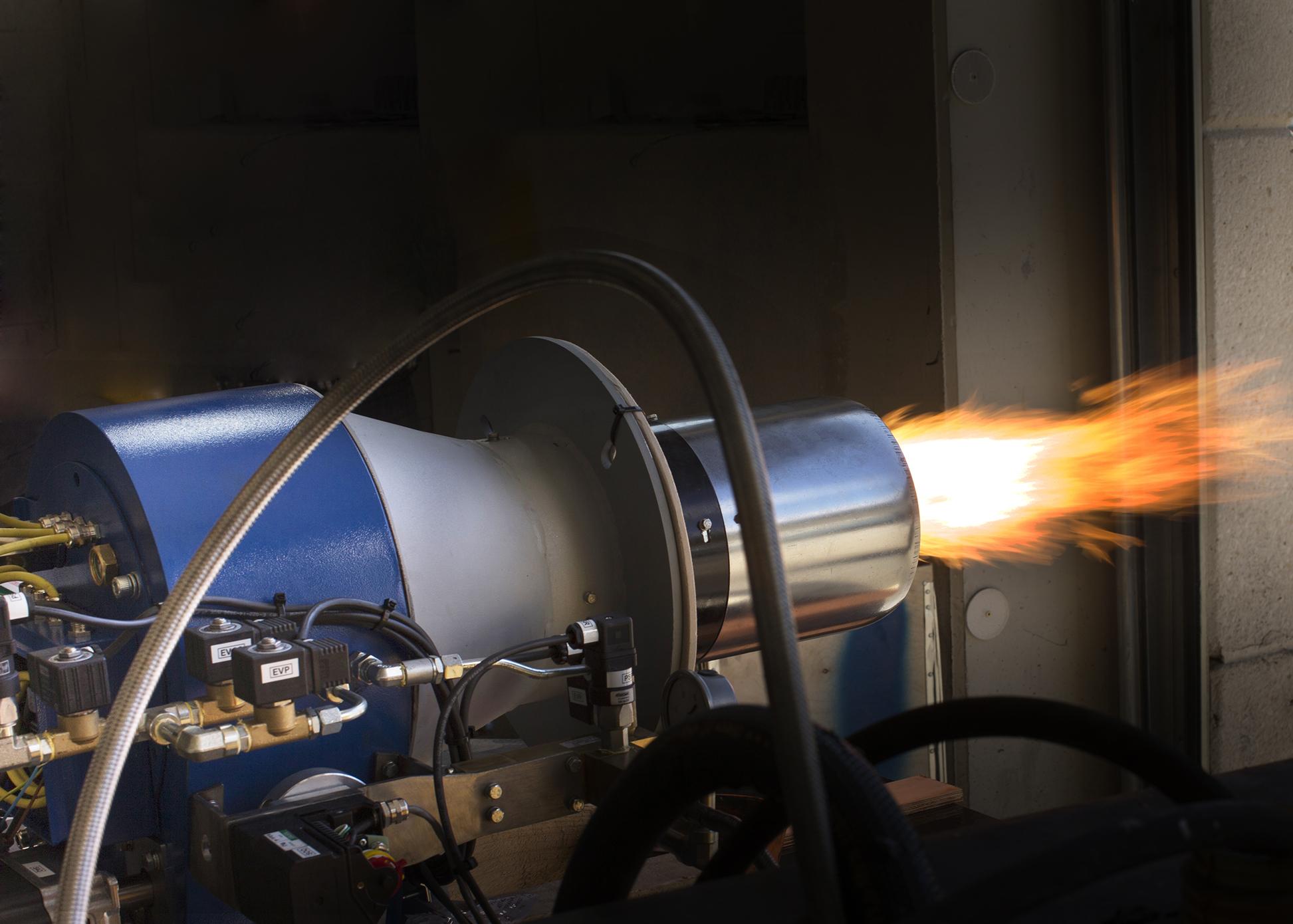
Role of burner maintenance to obtain efficient combustion. Burner maintenance is an essential task to obtain efficient combustion and optimize plant performance, avoid process problems, minimize failures and stoppages and extend the useful life of industrial boilers. Improper operation of the burners causes greater energy consumption, unnecessary stops and the emission of pollutants into the atmosphere.
At Reinva we are convinced that the role of burner maintenance is not only about keeping the burner running smoothly, but also about optimizing the performance of the entire system, whether it is a boiler or furnace.
Preventive maintenance is the most efficient formula to avoid malfunctions and operate at maximum capacity. Its objective is to carry out the necessary operations to ensure optimal energy performance and guarantee correct safety conditions during the useful life of the burner.
For its part, corrective maintenance of the burner provides the necessary repairs to address breakdowns and failures in its operation, which often lead to the stoppage of the equipment and more costs.
The air-fuel ratio controller is an advanced technology that played a key role in optimal burner operation. This small power plant is designed to make life easier for burner operators by improving combustion control in single and multi-fuel configurations, even supporting low NOx applications, as well as for the combustion of “special” fuels. “The controller can be mounted directly to the burner housing, making things simpler and more efficient.
Role of burner maintenance:
- Analysis of combustion gases: O2, CO, CO2, NOx
- General function check
- Burner Ignition
- Checking the flames to check efficient burning
- Review of security elements
- Check for damage to thermal insulation
- Verification of the appropriate thermostat values
- Fuel pressure regulation check
- Review and cleaning of all elements to avoid pressure drop
- Verification of electrical connections and automatic on/off control program
- Equipment calibration, air/fuel ratio, safety sequences, pressure switches, control valve settings, servomotors, combustion gas measurement