


Use of residual heat in a food plant
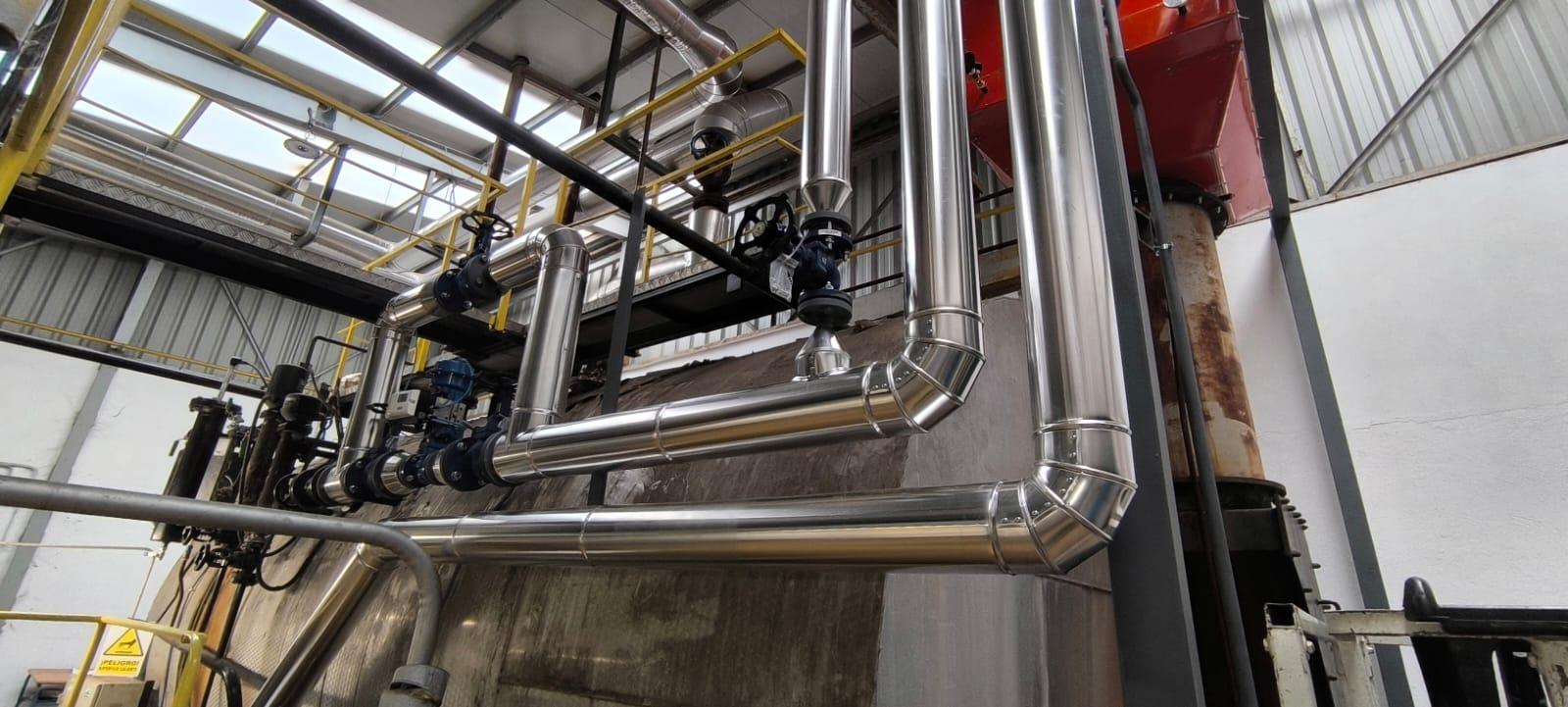
Use of residual heat in a food plant. Reinva is carrying out an operation to use residual heat in a food plant, specialized in grape juice concentrate. With this objective, the company installs an economizer in the processing plant, which will make it possible to take advantage of the heat that would otherwise be lost in the atomosphere, without any practical use.
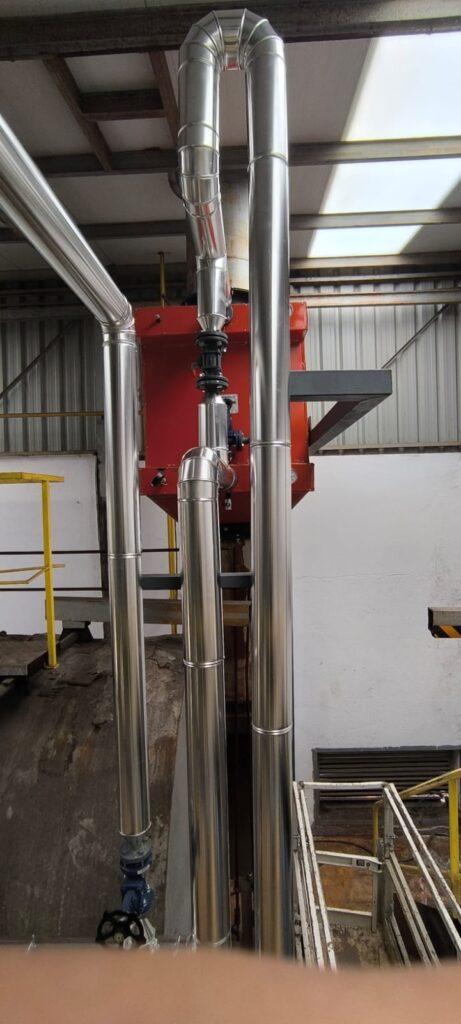
The installation of the economizer is part of the reconditioning of the existing boiler system. The equipment is designed and sized for the specific boiler application based on the actual temperatures reaching the chimney of this boiler. In this way, the efficiency of the combustion system and energy savings in the boiler will be increased, with the consequent environmental improvement.
Use of residual heat
Improving energy efficiency in industry is one of the main challenges in the energy transition process towards a low-carbon model. It is estimated that between 20 and 50% of the energy consumed in industry is wasted and released into the environment.
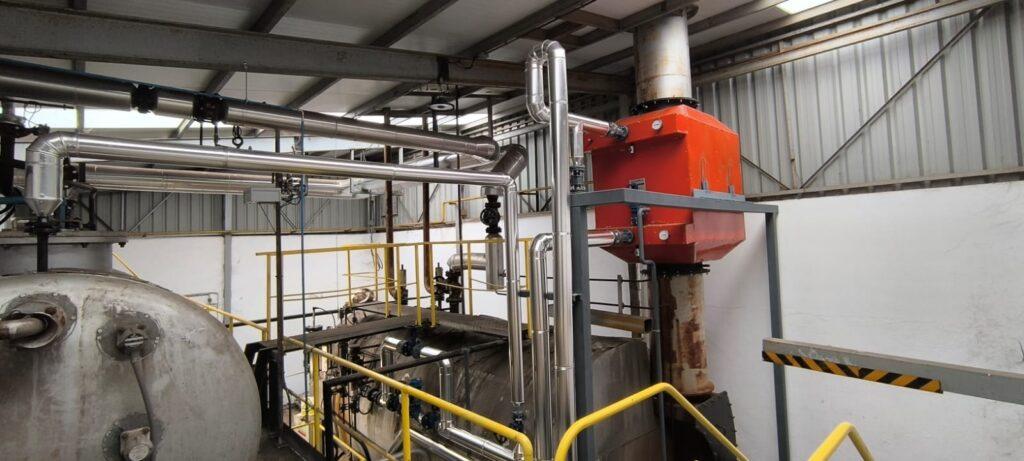
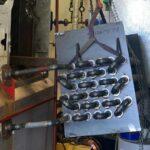
The economizer installed by Reinva is a heat exchanger installed in the boiler chimney that absorbs the heat energy from the boiler’s combustion gas. The device allows the conduction of gas through the network of pipes with cold water to transfer that heat energy to the water. This allows energy to be transferred to other plant processes, improving the efficiency of its combustion system.
Finally, the use of residual heat significantly increases energy efficiency, with the consequent saving of energy demanded, and the reduction of CO2 emissions into the environment.
Optimization of steam systems
Reinva’s engineering services are reflected in the advice, design, supply and optimization of industrial boilers and combustion systems for steam and combustion processes, with the objective of increasing the energy efficiency of the facilities, a key factor for the need to reduce energy consumption, as well as to reduce greenhouse gas emissions.
The Reinva engineering department is responsible for ensuring the correct design of the equipment for each particular application and installation: